Introduction
Overweight and obesity are defined as abnormal or excessive fat accumulation that impairs health. Clinically, the body mass index (BMI) is commonly used to assess obesity. According to the Chinese Working Group on Obesity and the Chinese Diabetes Society, a BMI < 18.5 kg/m² is defined as underweight, BMI 18.5–23.9 kg/m² as normal weight, BMI 24.0–27.9 kg/m² as overweight, and BMI > 28.0 kg/m² as obesity. Obesity has become a major public health issue in China. The incidence and growth rate of overweight and obesity in China rank first in the world, and China now has the largest number of overweight and obese individuals globally.
Disease models
When using animal models for obesity research, various interfering factors—such as genetic background, diet, and sex—need to be considered, and we must select appropriate models based on our experimental design. Southern Model Organisms offers a variety of classic obesity models, including diet-induced models and genetically modified models.
C57BL/6 mice
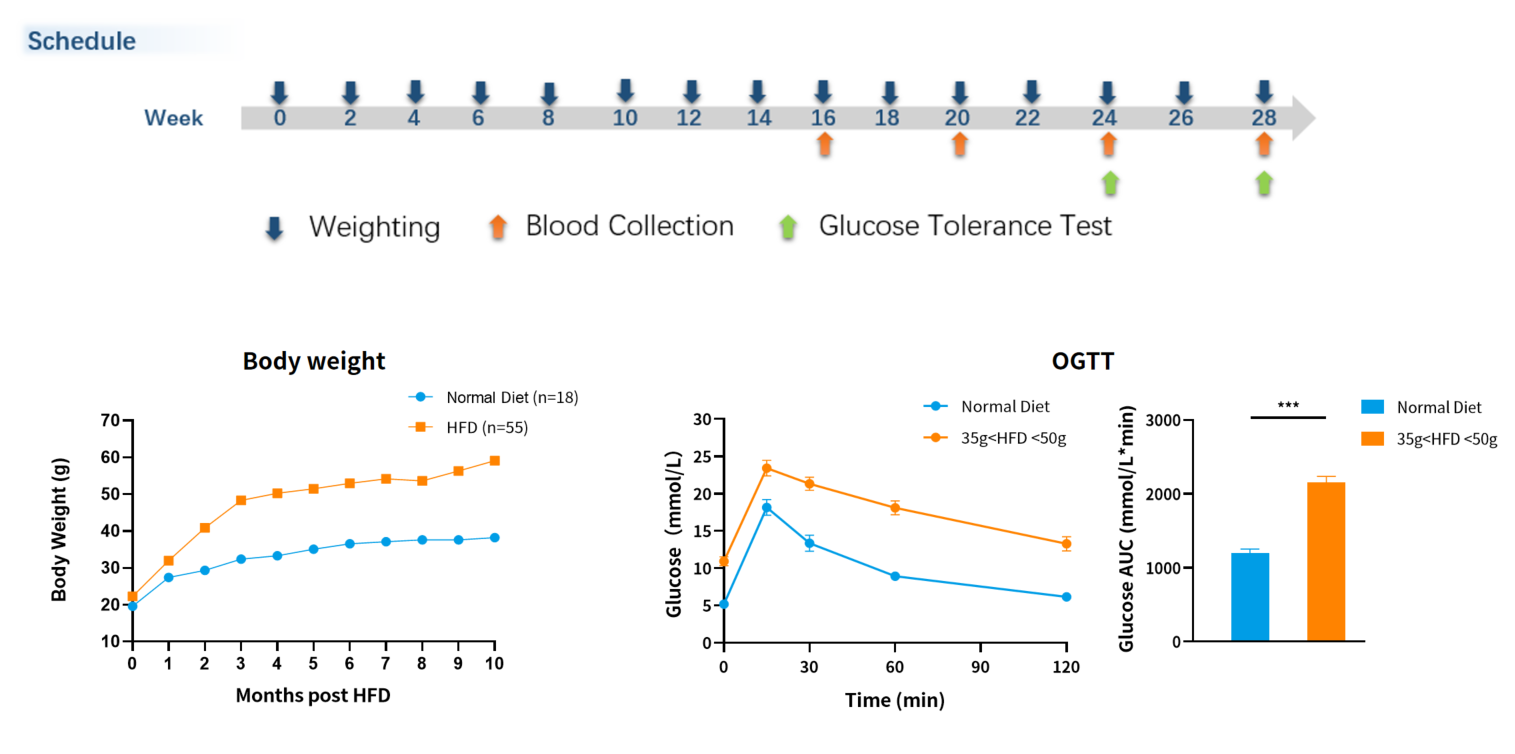
Fig1. Body weight and OGTT measurement of DIO mice.
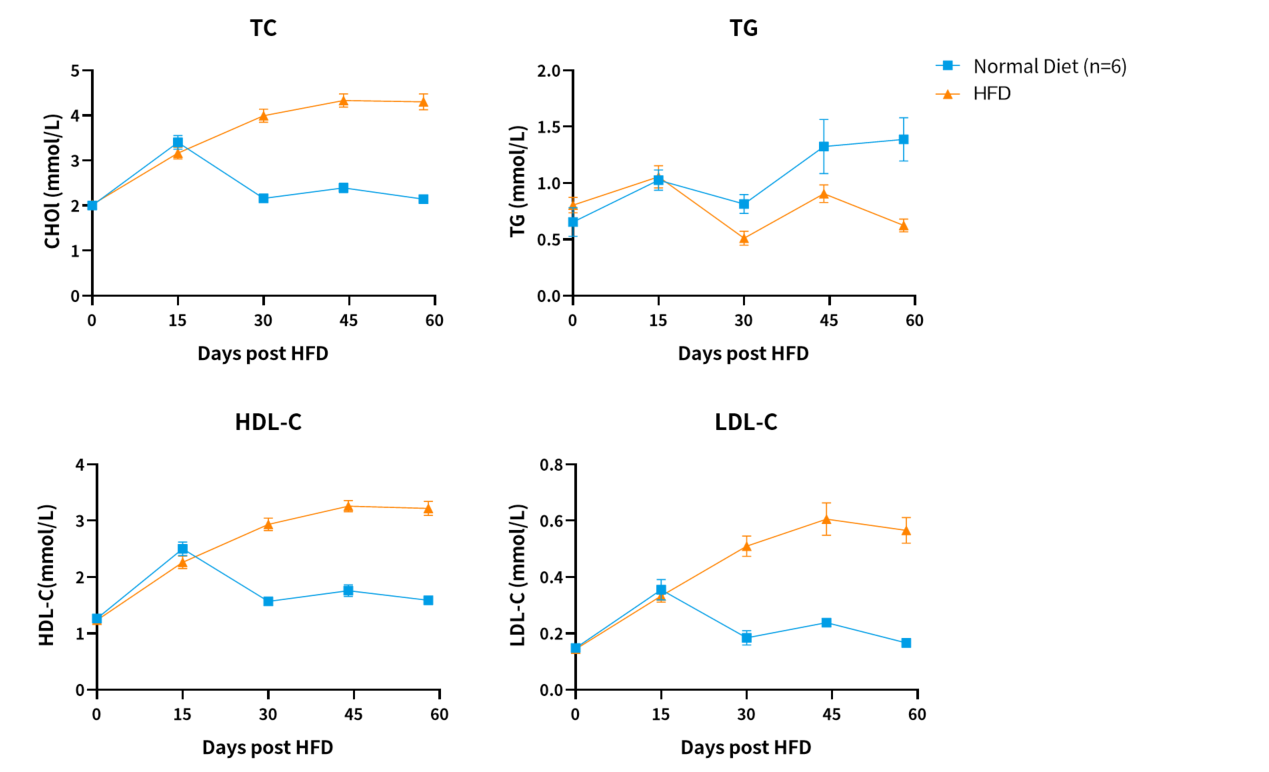
Fig2. Measurement of blood lipids of DIO mice.
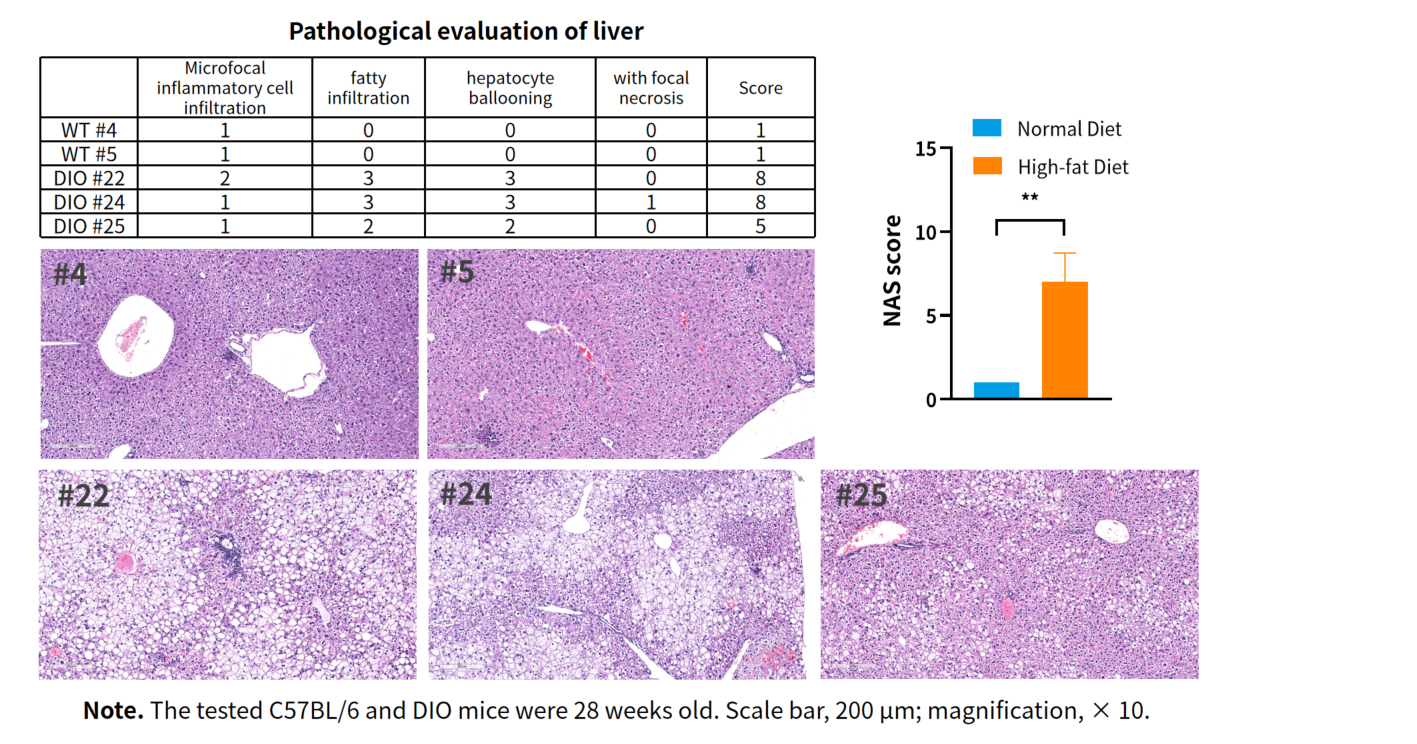
Fig3. H&E staining of liver specimens.

Fig4. Efficacy study of Semaglutide in DIO model.

Fig5. Efficacy study of Semaglutide&Bimagrumab in DIO model.
SD rat

Fig1. Body weight changes in male SD rats following high-fat diet feeding. G1 (n = 10) and G2 (n = 200) were both initiated on the diet at 6 weeks of age.

Fig1. STZ-Induced Type Ⅰ Diabetes.

Fig1. Characterization of Lep-KO (ob/ob) mice phenotype.

Fig2. H&E staining of the subcutaneous adipose tissue in ob/ob mice.

Fig3. Pathology report of the pancreas in ob/ob mice.

Fig1. Characterization of heterozygous Ins2-C96Y mice (Akita-like) phenotype.


